Paid Advertising
Google Ads management that turns searches into customers
Qovex Studio plans, builds and manages Google Ads campaigns across Search, Performance Max, Shopping, Demand Gen and YouTube. Every account starts with accurate conversion tracking, so Google optimises for leads and revenue, not clicks.
Google Ads management services
Every campaign type Google offers, managed against your cost per lead or return on ad spend.
Search campaigns
Text ads on Google Search for people actively looking for what you sell.
Performance Max
One campaign across Search, Shopping, YouTube, Display, Discover, Gmail and Maps.
Shopping campaigns
Product listings with images and prices, fed from Google Merchant Center.
Demand Gen campaigns
Visual ads on YouTube, Discover and Gmail that create demand before search.
YouTube video ads
Skippable, Shorts and bumper ads for reach, consideration and action.
Display and remarketing
Banner and responsive ads that bring past visitors back.
Local campaigns
Ads that drive calls, directions and store visits from Maps and Search.
Google Ads audit
A full review of structure, bidding, tracking, waste and missed opportunity.
Conversion tracking
GA4, enhanced conversions, offline imports and Consent Mode v2.
Paid search built on intent, not just keywords
Google Ads works because people tell you what they want. We structure campaigns around that intent and the value of each search.
We group keywords by intent, write ads that answer the search, and send each click to the page that matches it. Quality Score, rated 1 to 10 from expected click-through rate, ad relevance and landing page experience, rises when those three line up, and a higher score lowers what you pay per click.
In 2025 Google added AI Max for Search, a feature set that expands matching and tailors ad text with AI. According to Google, it delivers up to 14% more conversions at a similar cost. We test it against tightly controlled campaigns before scaling it.
- Intent-based campaign structure
- Negative keyword lists from search terms
- Responsive search ads with tested copy
- Landing pages matched to each ad group
- Smart Bidding on real conversion value
Google Ads campaign types, compared
Google Ads has 6 main campaign types. The table compares where each one runs, the funnel stage it serves and the result it is usually measured by.
Most accounts combine Search for existing demand with Performance Max or Shopping for scale, and Demand Gen or YouTube to create demand. Google’s own recommendation for 2025 pairs Demand Gen, AI Max for Search and Performance Max.
Conversion tracking Google can optimise on
Smart Bidding is only as good as the conversions you feed it. Tracking is the first thing we fix.
We set up GA4 and Google Ads conversions through Google Tag Manager, add enhanced conversions to recover measurement lost to cookie limits, and import offline conversions from your CRM so Google optimises for qualified leads and revenue, not form fills. Consent Mode v2, required for advertising to users in the European Economic Area since March 2024, keeps measurement compliant.
Google Ads results
Accounts we manage are judged on cost per lead and return on ad spend. A few recent results:
Self-storage · 2026
Delight Self Storage
Delight Self Storage provides secure, climate-controlled storage units in Dubai for households, businesses, vehicles and specialized items.
- online unit bookings
- +64%
- online unit bookings
- local pack for “self storage Dubai”
- #1
- local pack for “self storage Dubai”
- Google Ads conversion rate
- 2.1×
- Google Ads conversion rate
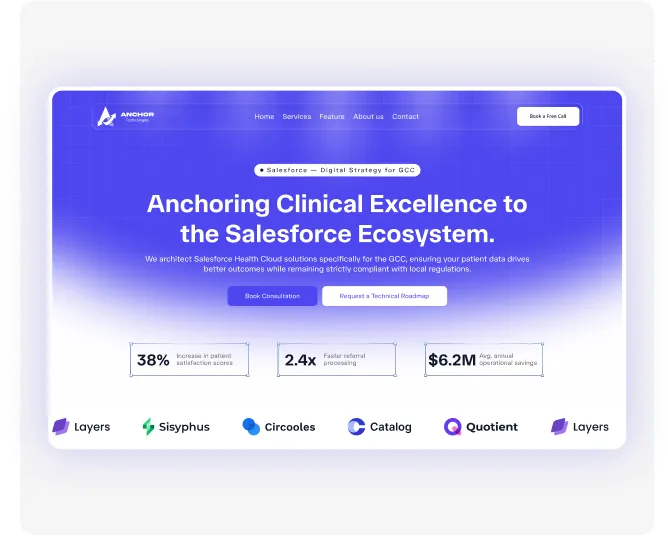
B2B consulting · 2025
Anchor Technologies
Anchor Technologies is a boutique, highly specialized Salesforce implementation consultancy operating across the GCC (Riyadh, Dubai, Doha).
- qualified leads from search
- +180%
- qualified leads from search
- rankings for core Salesforce terms
- Top 3
- rankings for core Salesforce terms
- cost per lead on Google Ads
- −41%
- cost per lead on Google Ads
Our Google Ads tool stack
Google’s own platform first, then the tools that make reporting and optimisation faster.
13 tools
Advertising · Measurement · Research · Conversion · CRM
Advertising
- Google AdsCampaigns, bidding and ad assets.
- Google Merchant CenterProduct feeds for Shopping and Performance Max.
- YouTubeVideo and Shorts ad placements.
Measurement
- Google Analytics 4Conversions, audiences and attribution.
- Google Tag ManagerTags, enhanced conversions and consent.
- Looker StudioLive reporting dashboards.
- Google Search ConsolePaid and organic search overlap.
Research
- SemrushKeyword research and competitor ad history.
- Google Keyword PlannerSearch volumes and bid ranges.
Conversion
- HotjarHeatmaps and recordings of landing pages.
CRM
- HubSpotLead quality and offline conversion data.
- ShopifyRevenue and product data for ecommerce.
- ZapierLead routing and conversion sync.
How we manage your Google Ads
Eight steps from audit to profitable scale, each with a clear deliverable.
- 01
Audit
Account structure, search terms, bidding, tracking, wasted spend and competitors.
Google Ads audit
- 02
Strategy and forecast
Campaign mix, budgets, target CPA or ROAS and expected volume.
Media plan and forecast
- 03
Tracking setup
GA4, conversions, enhanced conversions, offline imports and consent.
Verified tracking
- 04
Keywords and audiences
Intent groups, negatives, audience signals and product feeds.
Keyword and audience map
- 05
Ads and landing pages
Responsive ads, assets and landing pages matched to intent.
Ad copy and landing page briefs
- 06
Launch
Campaigns live with learning-period budgets and guardrails.
Live campaigns
- 07
Weekly optimisation
Search terms, bids, budgets, assets and experiments every week.
Optimisation log
- 08
Report and scale
Monthly results review, then budget moved to what works.
Monthly performance report
What we report every month
Business results first, platform metrics second.
Business results
- Leads, sales and revenue
- Cost per acquisition
- Return on ad spend
- Lead quality from CRM
Efficiency
- Cost per click
- Conversion rate
- Quality Score trends
- Wasted spend removed
Reach
- Impression share
- Lost share to budget and rank
- New search terms found
- Audience growth
Next steps
- Tests run and results
- Budget changes proposed
- Landing page fixes
- Plan for next month
Ways to work with us
From a one-off audit to full account management.
Google Ads audit
A prioritised list of fixes and opportunities for your account.
Account setup
New campaigns, tracking and feeds built correctly from day one.
Monthly management
Ongoing optimisation, testing and reporting.
Shopping and PMax for stores
Feed optimisation and product campaigns for ecommerce.
Tracking setup
GA4, enhanced conversions and offline conversion imports.
Landing page builds
Fast, focused pages that convert paid traffic.
What we never do
The habits that quietly waste ad budgets.
Account habits we avoid
- Broad match without negatives or Smart Bidding
- Sending every ad to the homepage
- Optimising for clicks instead of conversions
- Accepting every auto-applied recommendation
- Changing bids daily during learning
Rules we keep
- You own the Google Ads account
- No hidden margin on ad spend
- No long lock-in contracts
- No reporting without conversions
- No launch without verified tracking
Get more from your Google Ads budget
Share your account or goals. We will reply with the quickest wins and a plan to scale.
Frequently asked questions about Google Ads
How much should I spend on Google Ads?
Your Google Ads budget depends on cost per click in your market, your conversion rate and your target cost per lead. We forecast spend and expected results from real keyword data before launch.
How long does Google Ads take to work?
Search campaigns bring clicks from day one. Smart Bidding needs about 2 to 4 weeks of learning, and stable, optimised results usually show within 60 to 90 days.
What is Performance Max?
Performance Max is a Google Ads campaign type that runs across Search, Shopping, YouTube, Display, Discover, Gmail and Maps from one campaign, using AI to find conversions within your target.
What is AI Max for Search?
AI Max for Search is a set of AI features for Search campaigns, launched in 2025, that expands keyword matching and tailors ad text and landing pages to each search.
What is a good Quality Score?
A Quality Score of 7 or higher out of 10 is good. It reflects expected click-through rate, ad relevance and landing page experience, and higher scores lower your cost per click.
Do I keep ownership of my Google Ads account?
Yes. Campaigns run in your own account, and you keep all data, history and access if we stop working together.
Do you charge a percentage of ad spend?
We price management by account scope and complexity, with spend paid directly to Google. Contact us for a quote based on your accounts.
Can you track phone calls and offline sales?
Yes. We set up call tracking and import offline conversions from your CRM, so Google optimises for qualified leads and closed revenue.
Should I run Google Ads or Meta Ads?
Google Ads captures people already searching; Meta Ads creates demand with visual ads to people who are not searching yet. Most growing brands use both.
Can you improve an account another agency manages?
Yes. We start with a full audit, fix tracking and wasted spend first, then restructure without resetting the learning that works.